
Computing
At St Thomas’s CE Primary School, we strive to deliver a high-quality computing curriculum which allows our pupils to recognise the significance of digital technology in their everyday lives. We explicitly teach pupils the skills and knowledge they need to become creative, digitally literate, safe, computational thinkers.
The Computing curriculum is separated into three strands:
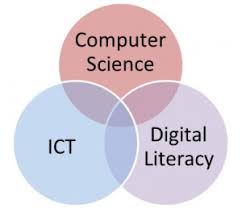
Together these strands come together to teach children how computers and computer systems work, how to design, build and analyse programs, and how to find and manage digital information securely.
This includes lessons in:
*coding and debugging computer programs in order to understand how computers and their systems work
*online research, including evaluating sources for credibility
*word and data processing
*opportunities for creative expression through the creation of voice recordings, videos, websites, and animations
*lessons in online safety and data protection.
Our children are growing up in an increasingly complex world, living their lives on and offline. This presents many exciting opportunities – but also challenges. St Thomas’s pupils are taught about online safety in an age-appropriate way. These skills are taught during computing lessons, PSHE sessions and at other appropriate curriculum opportunities. This includes being taught:
- what positive, healthy and respectful online relationships look like
- the effects of their online actions on others
- how to recognise and display respectful behaviour online
- how to use technology safely, responsibly, respectfully and securely
- where to go for help and support when they have concerns
Children are taught:
- that people sometimes behave differently online, including by pretending to be someone they are not
- that the same principles apply to online relationships as to face-to-face relationships, including the importance of respect for others
- the rules and principles for keeping safe online: how to recognise risks, harmful content and contact, and how to report them
- how to critically consider their online friendships and sources of information
- how information and data is shared and used online.